
Catalog
Learn a game
Pick a game to read how it plays. Inside, you'll find each faction's guide and a turn-by-turn walkthrough.
-

7 Wonders
7 wonders3–7 players (best at 4–5; an expert 2-player variant is included) Medium — simultaneous card draftingFamily Drafting7 Wonders is a civilization-building card game where every player simultaneously constructs an ancient city across three historical ages.
How to play → -
7 Wonders Duel
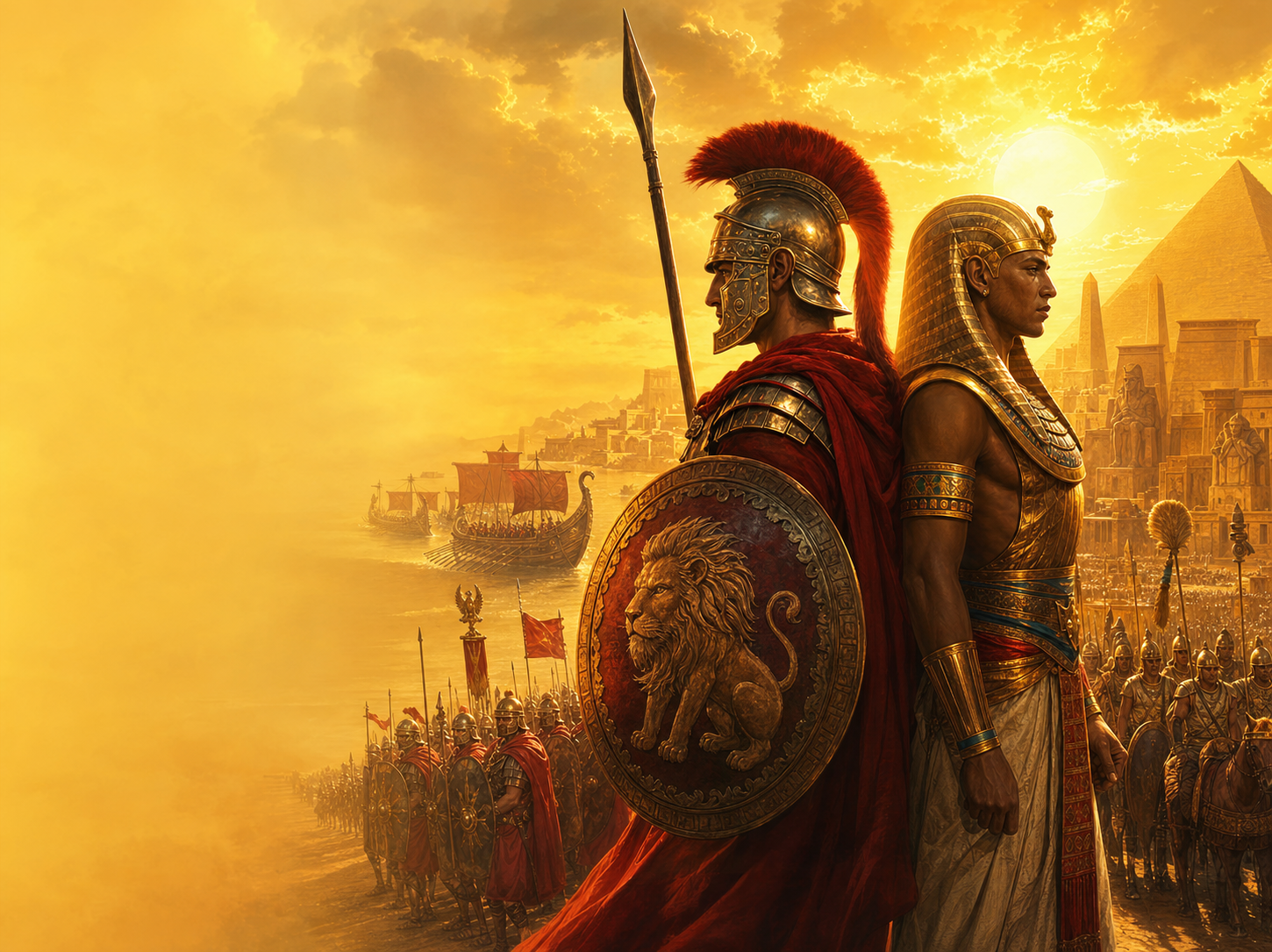
2 players only Medium — drafting + tableau building2-player Drafting7 Wonders Duel is a two-player head-to-head civilization game by Antoine Bauza and Bruno Cathala.
How to play → -
Aeon's End
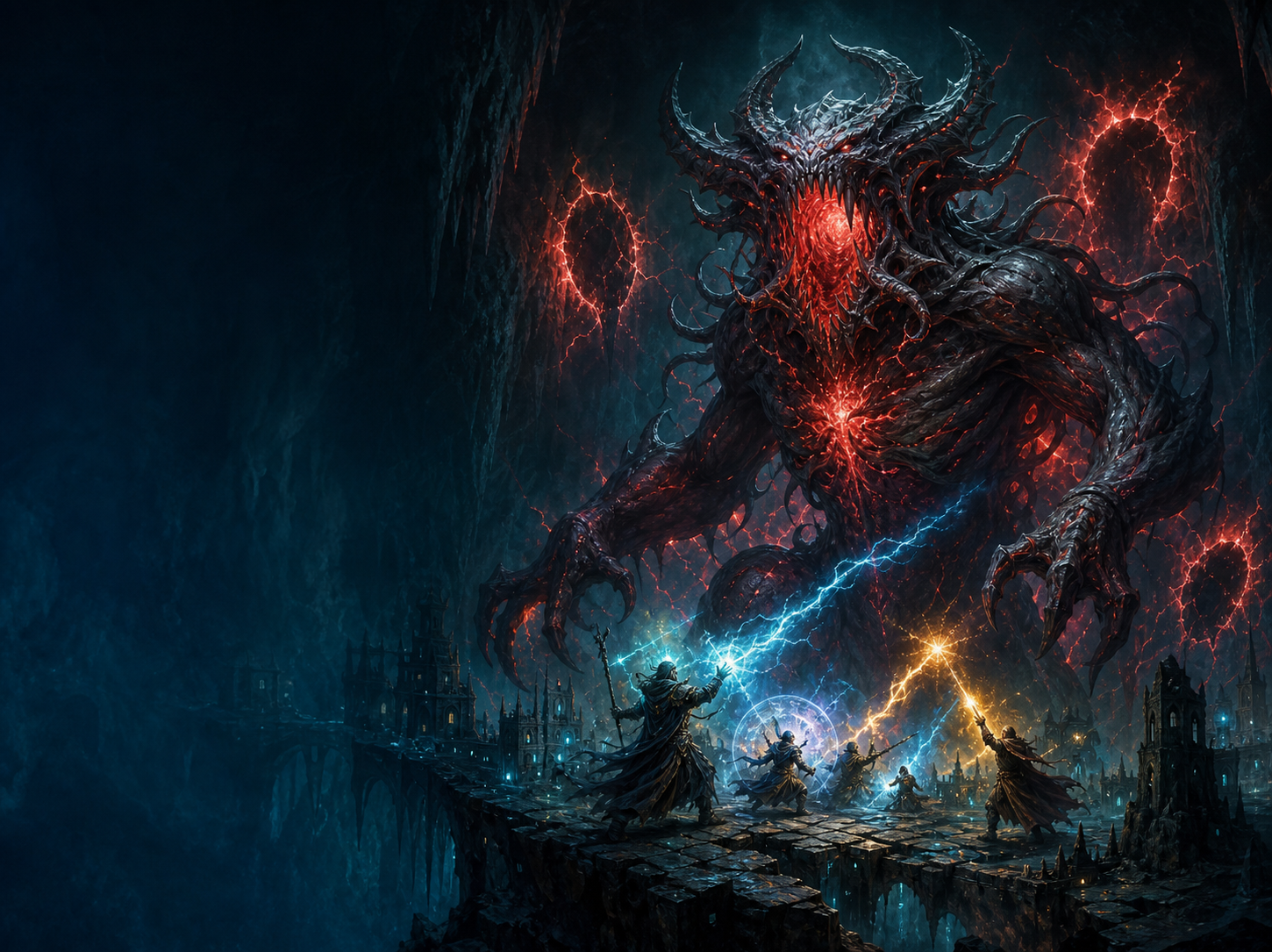
1–4 players (best at 2–3) — fully cooperative Medium — cooperative deckbuilder with deliberate deck orderingCo-op StrategyAeon's End is a cooperative deckbuilder for one to four players in which you and your fellow breach mages are the last defenders of Gravehold, the only city left standing.
How to play → -
Arcs
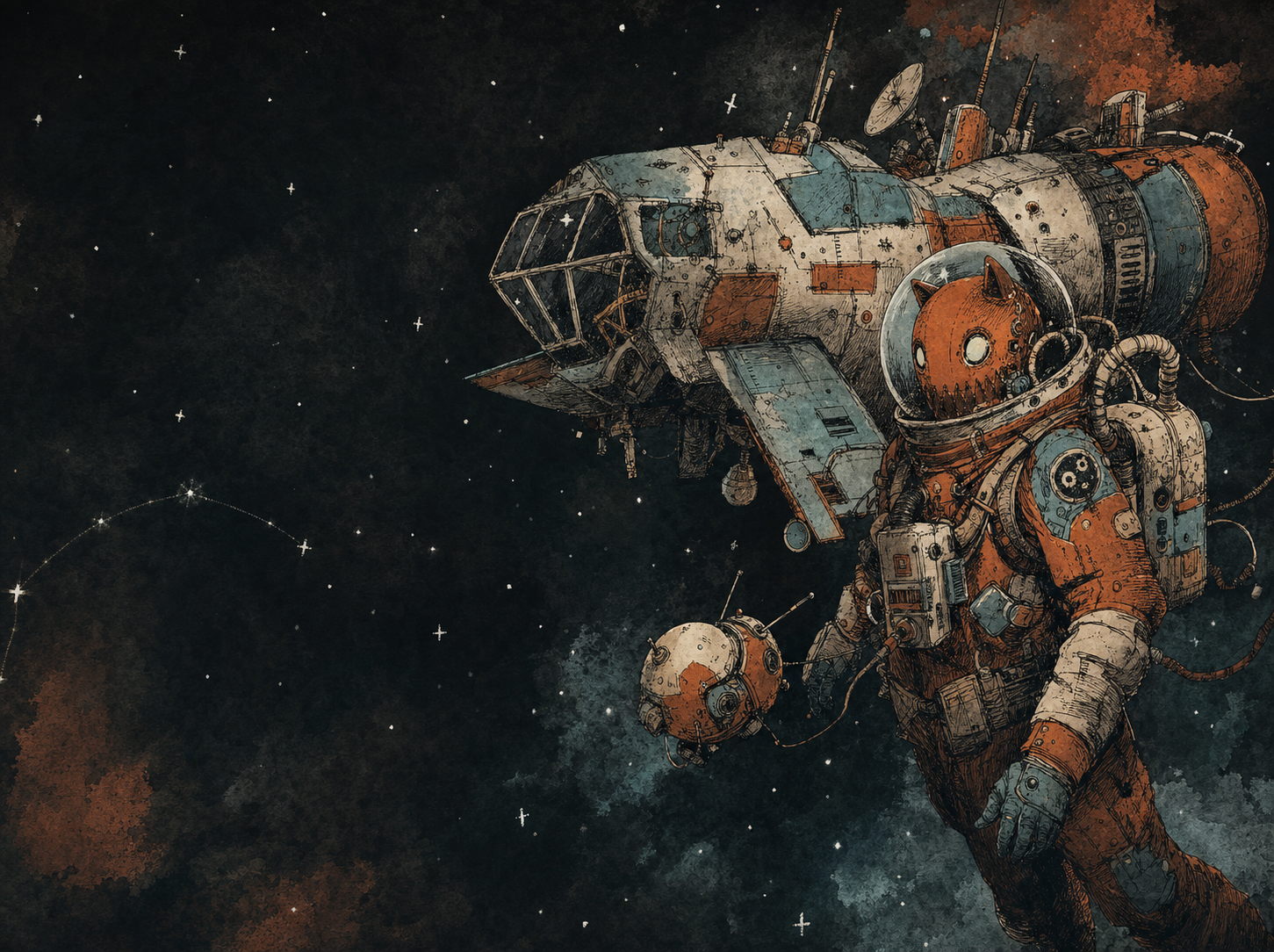
2–4 players (best at 3) — about 45 minutes per player on a first game Medium-Heavy — trick-taking action selectionStrategy Area controlArcs is a science-fiction strategy game by Leder Games where players command factions competing for dominance inside a collapsing galactic empire.
How to play → -

Azul
2–4 players — the factory displays scale with the table (5/7/9) Low–medium — abstract tile draftingFamily Tile-layingAzul is a tile-drafting abstract by Michael Kiesling in which you claim colorful ceramic tiles from shared factory displays and arrange them on your personal wall.
How to play → -
Brass: Birmingham
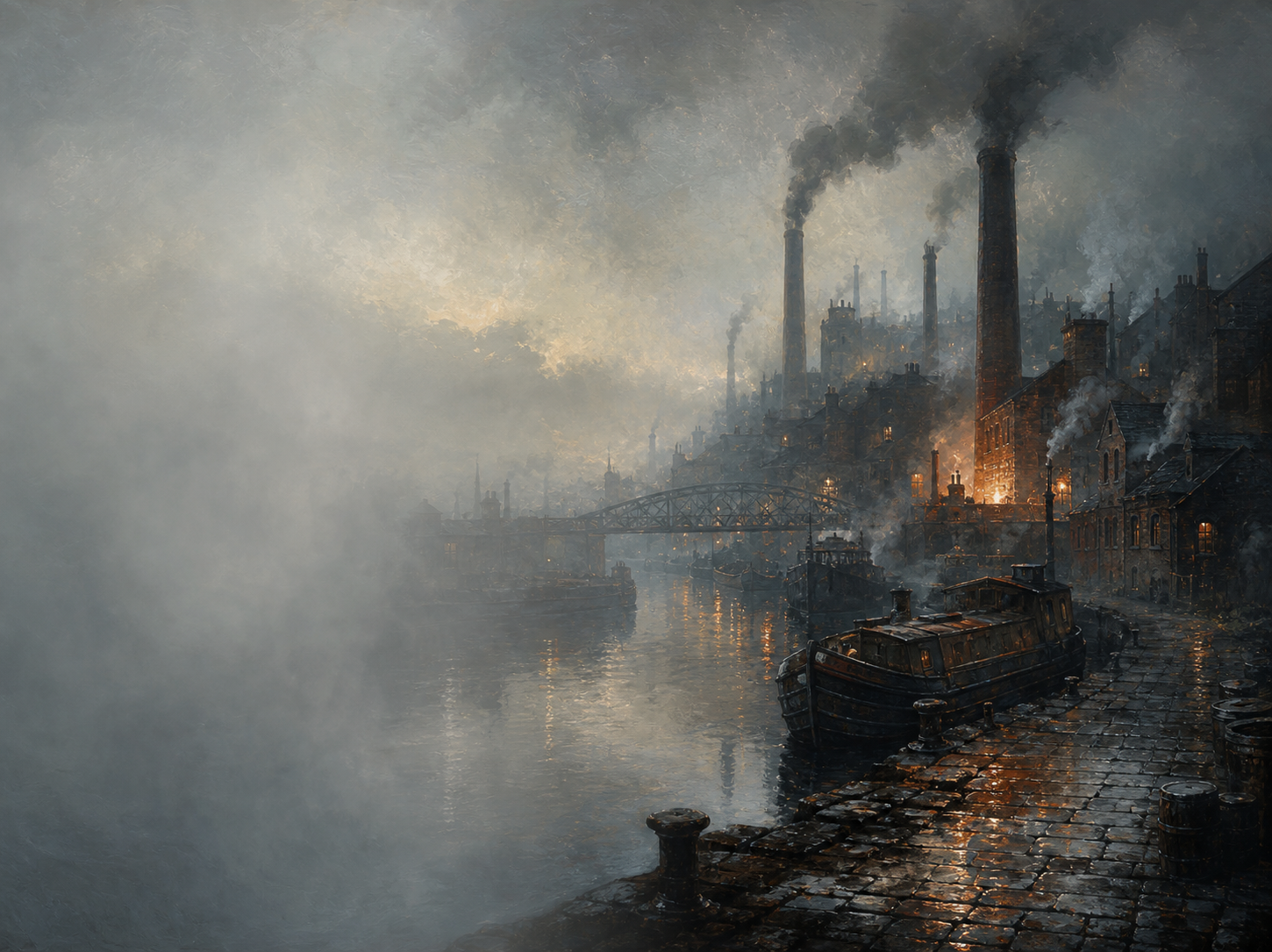
2–4 players (best at 3–4) — eras last exactly 10/9/8 rounds with 2/3/4 players Heavy — economic engine builderStrategy Engine buildingBrass: Birmingham is a heavy economic strategy game by Martin Wallace in which you build industries and transport networks across industrial-revolution Birmingham.
How to play → -
Carcassonne
2–5 players (best at 3–4) Low–medium — tile-layingFamily Tile-layingCarcassonne is a tile-laying game by Klaus-Jürgen Wrede in which players collectively build a medieval landscape of cities, roads, monasteries, and fields.
How to play → -

Cascadia
1–4 players — everyone plays exactly 20 turns, plus a solo mode Light — tile-laying puzzleFamily Tile-layingCascadia is a tile-laying and token-drafting game by Randy Flynn in which you grow a personal Pacific-Northwest wilderness from hexagonal habitat tiles and populate it with wildlife.
How to play → -

Catan
3–4 players — 5–6 with the separate extension, or 2 with the "Catan for Two" variant from Traders & Barbarians Medium — resource trading and network buildingFamily StrategyCatan is a classic settlement-building game by Klaus Teuber in which you and your rivals colonize a hex-tile island, collecting five resources — brick, lumber, wool, grain, and ore — to construct roads, settlements, and cities.
How to play → -
Catan: Cities & Knights
3–4 players (up to 6 with the 5–6 player extension) High — the deepest, most strategic Catan expansionStrategyCatan: Cities & Knights is an expansion by Klaus Teuber that layers three interlocking systems on top of the base game: a barbarian horde that threatens the island every time players neglect their military, a commodity economy that lets you …
How to play → -
Catan: Explorers & Pirates
2–4 players (up to 6 with the 5–6 player extension) High — the largest Catan expansion, driven by exploration, cargo logistics, and Council missions across five scenariosFamily StrategyCatan: Explorers & Pirates is an expansion by Klaus Teuber that requires the Catan base game to play.
How to play → -
Catan: Seafarers
3–4 players (up to 6 with the 5–6 extension) Medium-high — base Catan plus ships, islands, and scenariosFamily StrategyCatan: Seafarers is an expansion by Klaus Teuber that requires the Catan base game to play.
How to play → -
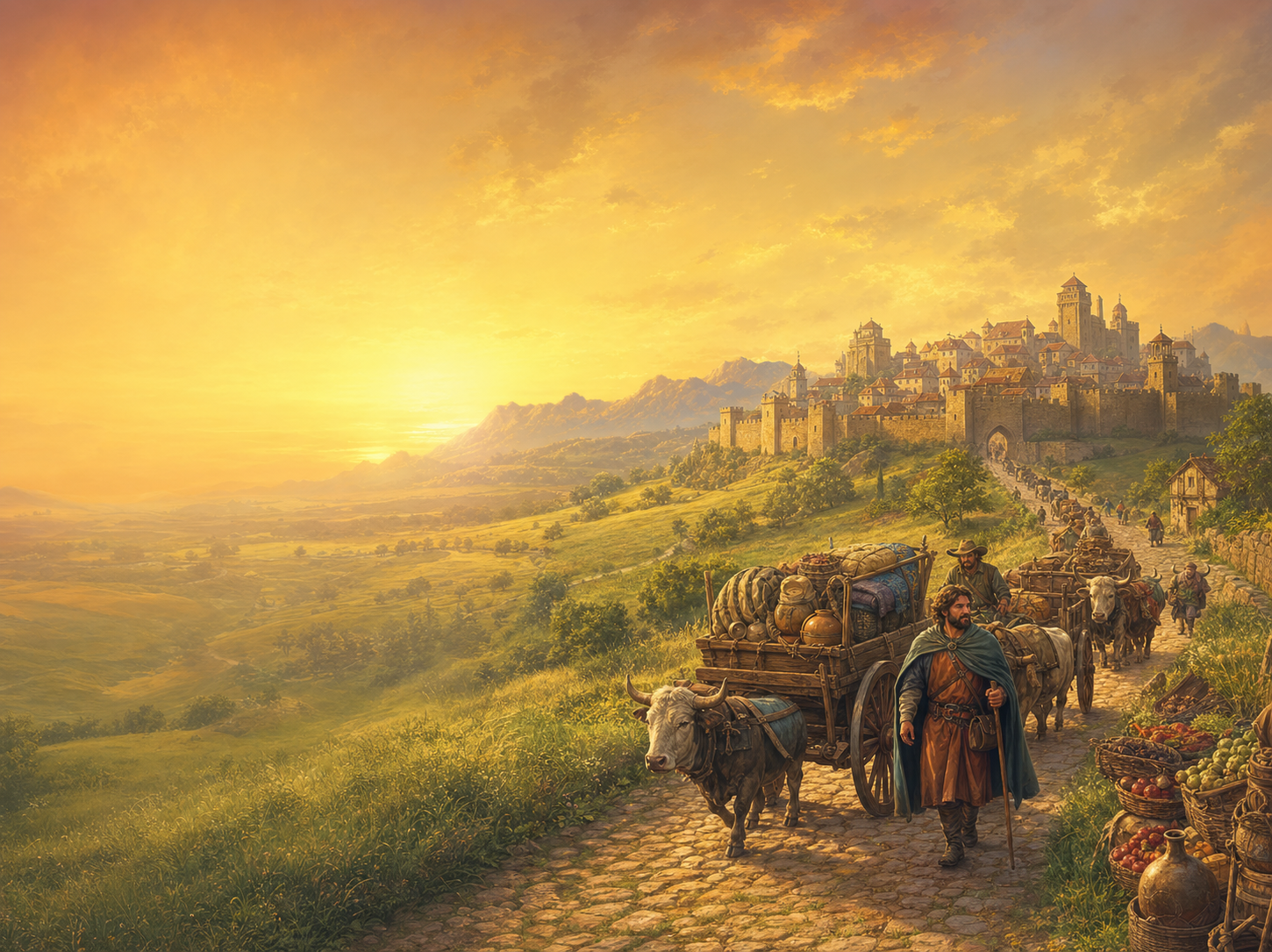
Catan: Traders & Barbarians
3–4 players (up to 6 with the 5–6 player extension) — requires the Catan base game Medium–high — five scenarios and four variants; the last two scenarios rival Cities & KnightsFamilyCatan: Traders & Barbarians is Klaus Teuber's toolbox expansion — not one new game but five scenarios and four variants that let you rebuild the base game to taste.
How to play → -

Cities
2–4 players — 8 rounds (4 with two players), about 40 minutes Light–medium — drafting and tile placementFamily Tile-layingCities is a 2023 game by Steve Finn and Phil Walker-Harding, published by Devir, in which the city council hands you a waterfront neighborhood and asks you to make something wonderful of it.
How to play → -

Codenames
2–8+ players — best with 4 or more split into two teams Light — word association and deductionPartyCodenames is a word-association party game by Vlaada Chvátil in which two teams race to identify their secret agents in a 5×5 grid of 25 word cards.
How to play → -

Concordia
2–5 players — Italia map for 2–4, Imperium map for 3–5 (best at 3–4) Medium — economic engine builderStrategy Engine buildingConcordia is a hand-management economic game by Mac Gerdts in which you grow a Roman trading dynasty across the Mediterranean world.
How to play → -

Dixit
3–6 players — everyone plays every round; nobody waits Very light — storytelling and social deductionPartyDixit is a storytelling card game by Jean-Louis Roubira in which players hold hands of large, dreamlike illustration cards and take turns acting as the storyteller.
How to play → -

Dune: Imperium
8 leaders1–4 players (2-player and solo use the House Hagal rival deck) Medium-heavy — a deck-building and worker-placement hybrid with contested combatStrategy Engine buildingDune: Imperium puts you at the head of a Great House fighting for control of Arrakis — and it fuses two engines into one game.
How to play → -

Dune: Imperium – Uprising
9 leaders1–4 or 6 players (no 5-player mode; at 6, two teams of three) Heavy — the standalone sequel to Dune: Imperium, with spies, sandworms, and a team modeStrategy Engine building Area controlDune: Imperium – Uprising takes everything that made its predecessor sing — one card sends an Agent, the rest of your hand becomes Persuasion and swords — and layers a rebellion on top.
How to play → -
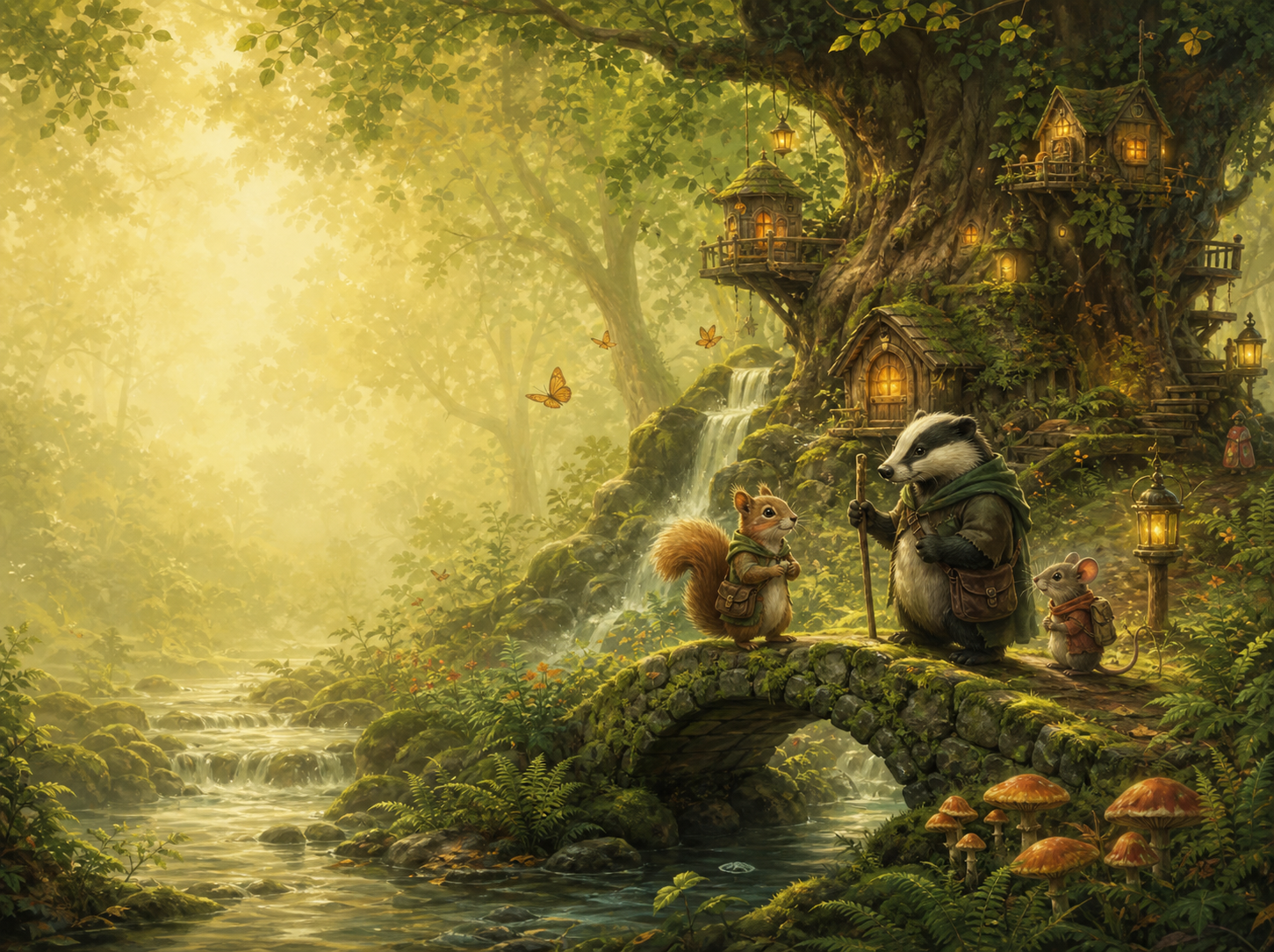
Everdell
1–4 players (best at 2–3) Medium — worker placement + tableau buildingFamily Engine buildingEverdell is a worker placement and tableau-building game set in a sun-dappled forest valley where woodland critters are building the cities of tomorrow.
How to play → -

King of Tokyo
2–6 players (Tokyo Bay opens with 5–6) Low — press-your-luck dice gameParty FamilyKing of Tokyo is a press-your-luck dice game by Richard Garfield in which two to six players each control a giant monster battling for dominance of the city.
How to play → -
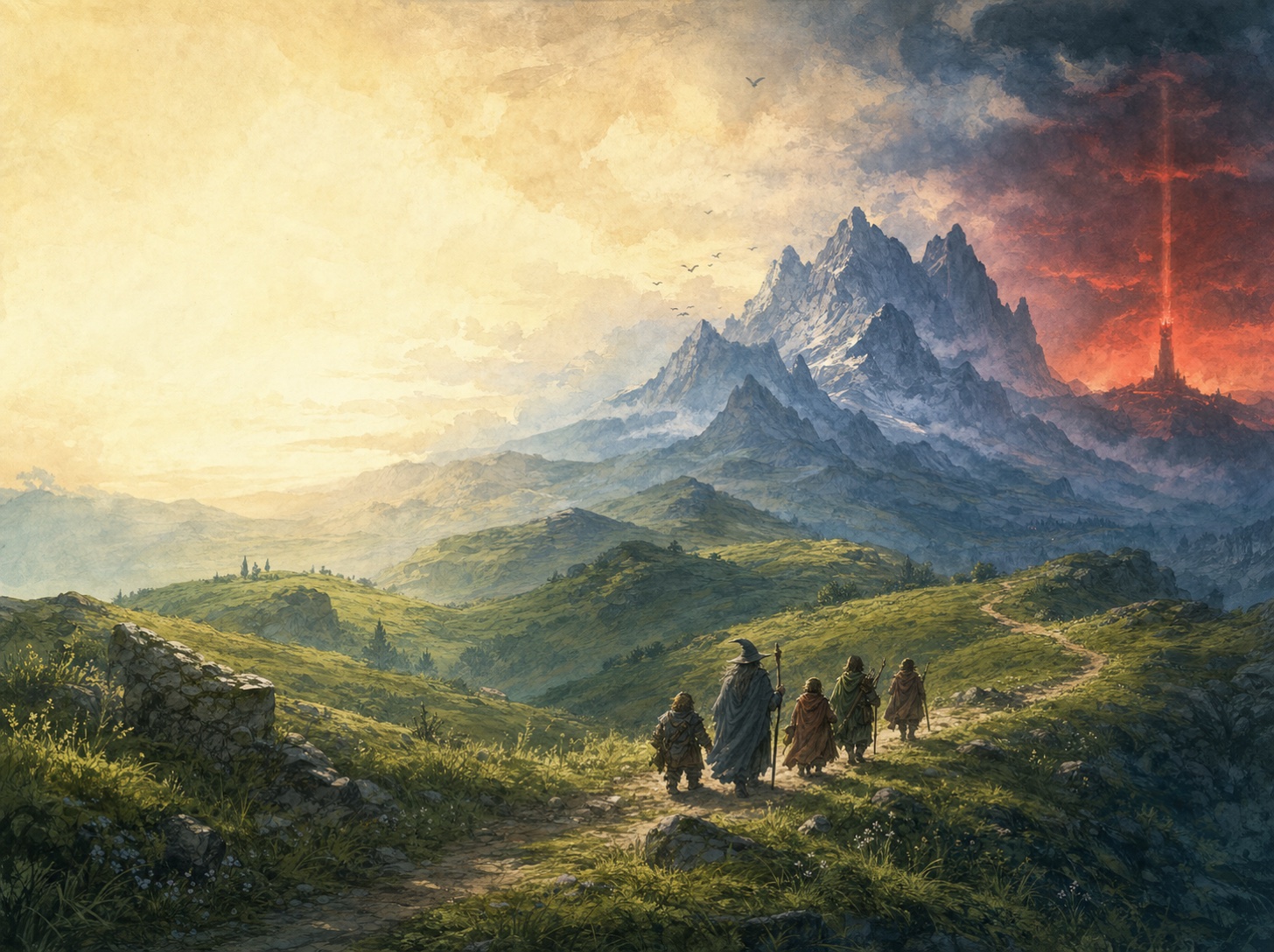
Lord of the Rings: Fate of the Fellowship
13 heroes1–5 players (each runs 2 characters) — fully cooperative, with a dedicated solo mode Medium — co-operative dice-and-cards area-control on a Middle-earth mapCo-op Strategy Area controlThe Lord of the Rings: Fate of the Fellowship is a fully co-operative game by Matt Leacock — the designer of Pandemic — in which one to five players guide the heroes of Middle-earth as they shield Frodo, rally the …
How to play → -

Pandemic
2–4 players — fully cooperative: everyone wins or everyone loses Medium — co-operative hand managementCo-op FamilyPandemic is the cooperative classic by Matt Leacock in which a team of specialists races to cure four diseases spreading across the globe.
How to play → -
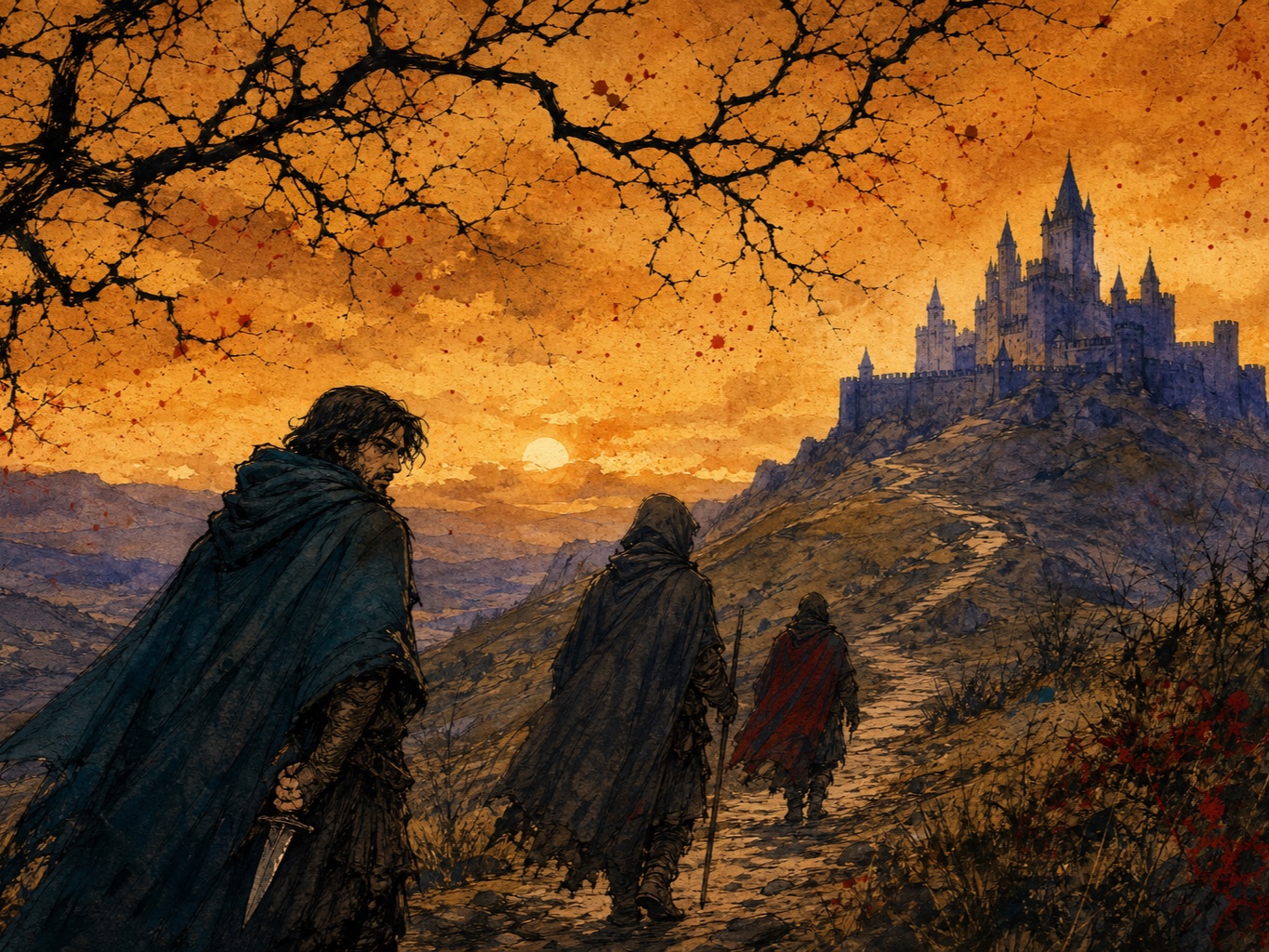
Quest
5 characters4–10 players — about 30 minutes, no player elimination Light — a fast hidden-role social deduction game of quests, trust, and betrayalPartyQuest is Don Eskridge's successor to The Resistance and Avalon — the same delicious game of hidden loyalties, stripped down and sharpened.
How to play → -

Root
21 factions2–4 players with the base box (best at 4; expansions seat up to 6) Medium-heavy — wildly asymmetric factions on a small shared coreStrategy Area controlRoot is a woodland war game where every player sits down with a completely different set of rules, pieces, and goals.
How to play → -
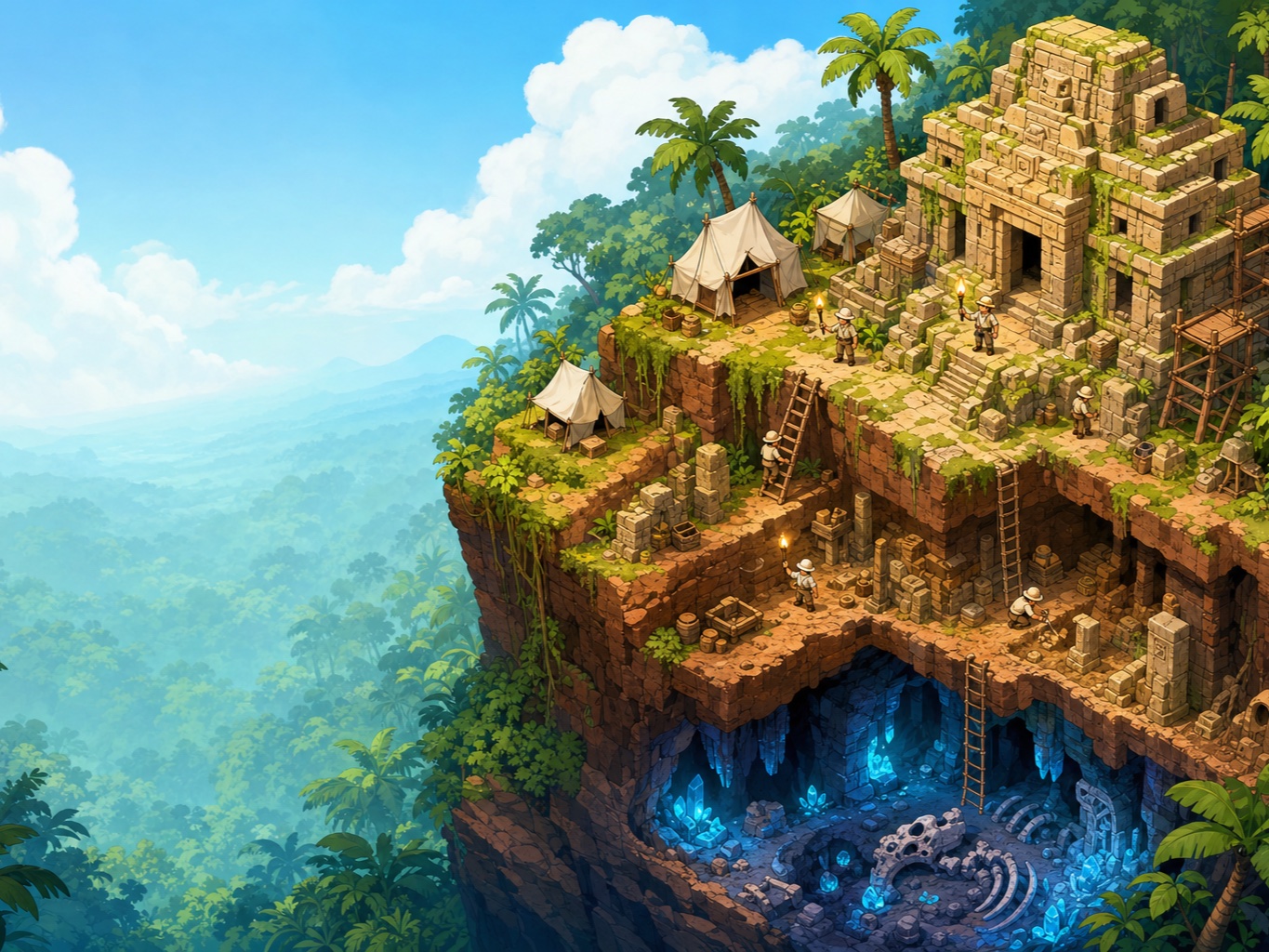
Ruins
2–5 players — the ruin deck scales with the table (20/30/40/50 cards) Light-medium — a climbing card game with permanent card-craftingFamily Engine buildingRuins is a climbing card game by John D.
How to play → -
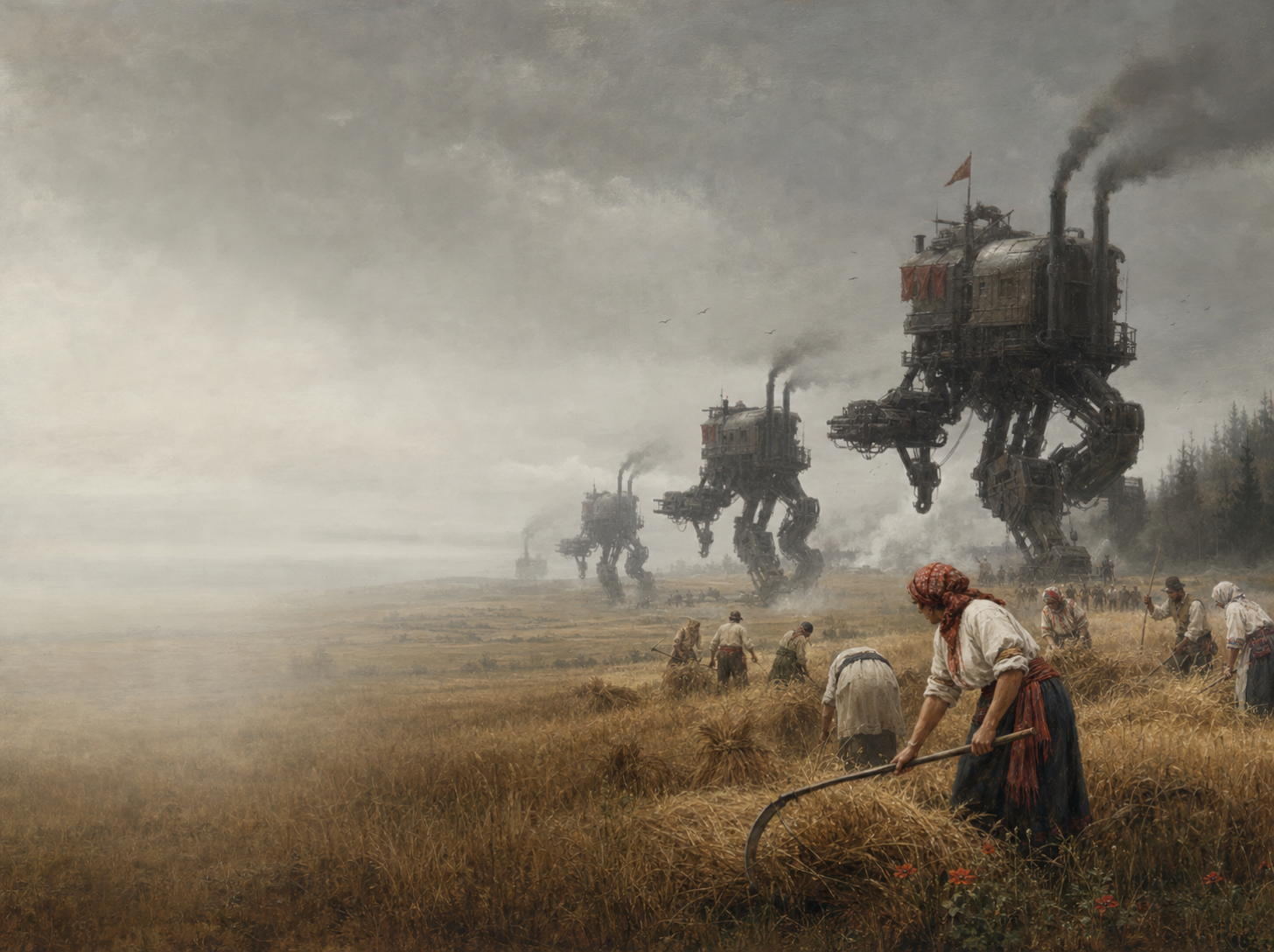
Scythe
1–5 players (best at 3–4; solo against the Automa) Mid-to-heavy — asymmetric engine builderStrategy Area controlScythe is an asymmetric engine-building game by Jamey Stegmaier set in an alternate-history 1920s Eastern Europe.
How to play → -

Secret Hitler
3 roles5–10 players — the Liberals always outnumber the Fascists, and always know less Light — a hidden-role social deduction party game of voting and bluffingPartySecret Hitler is a hidden-role game set in 1930s Germany, where a table of politicians tries to hold a fragile government together.
How to play → -

Splendor
2–4 players (best at 3) Light — engine builderFamily Drafting Engine buildingSplendor is a gem-trading engine-builder by Marc André in which you play a Renaissance merchant acquiring mines, trade routes, and artisans across three tiers of development cards.
How to play → -

Sushi Go Party!
2–8 players — everyone drafts simultaneously, so eight plays as fast as two Very light — card draftingParty Family DraftingSushi Go Party! is a card-drafting game by Phil Walker-Harding in which you assemble the best meal on the table over three rounds, picking one card from your hand and passing the rest to your neighbor.
How to play → -

Terraforming Mars
1–5 players (best at 2–4) Heavy — engine builderStrategy Engine buildingTerraforming Mars is a card-driven engine-builder by Jacob Fryxelius in which each player represents a corporation pouring resources into making the red planet habitable.
How to play → -

The Crew
3–5 players (best at 4) — official two-player variant included Low–Medium — co-operative trick-taking with communication constraintsCo-op PartyThe Crew: The Quest for Planet Nine is a co-operative trick-taking game by Thomas Sing for three to five players (with an official two-player variant).
How to play → -

Ticket to Ride
2–5 players (best at 3–4) Light — gateway strategyFamilyTicket to Ride is a route-claiming game by Alan R.
How to play → -

Wingspan
1–5 players (best at 3–4) Medium — engine builderFamily Engine buildingWingspan is a card-driven engine-builder by Elizabeth Hargrave in which you attract birds to three wildlife preserves on your personal player board.
How to play →
No games match your search.