
Tabletop Companion
en
← Learn

Field guide

How to play Root

2–4 players (best at 4) Medium — asymmetric factions

What is Root?

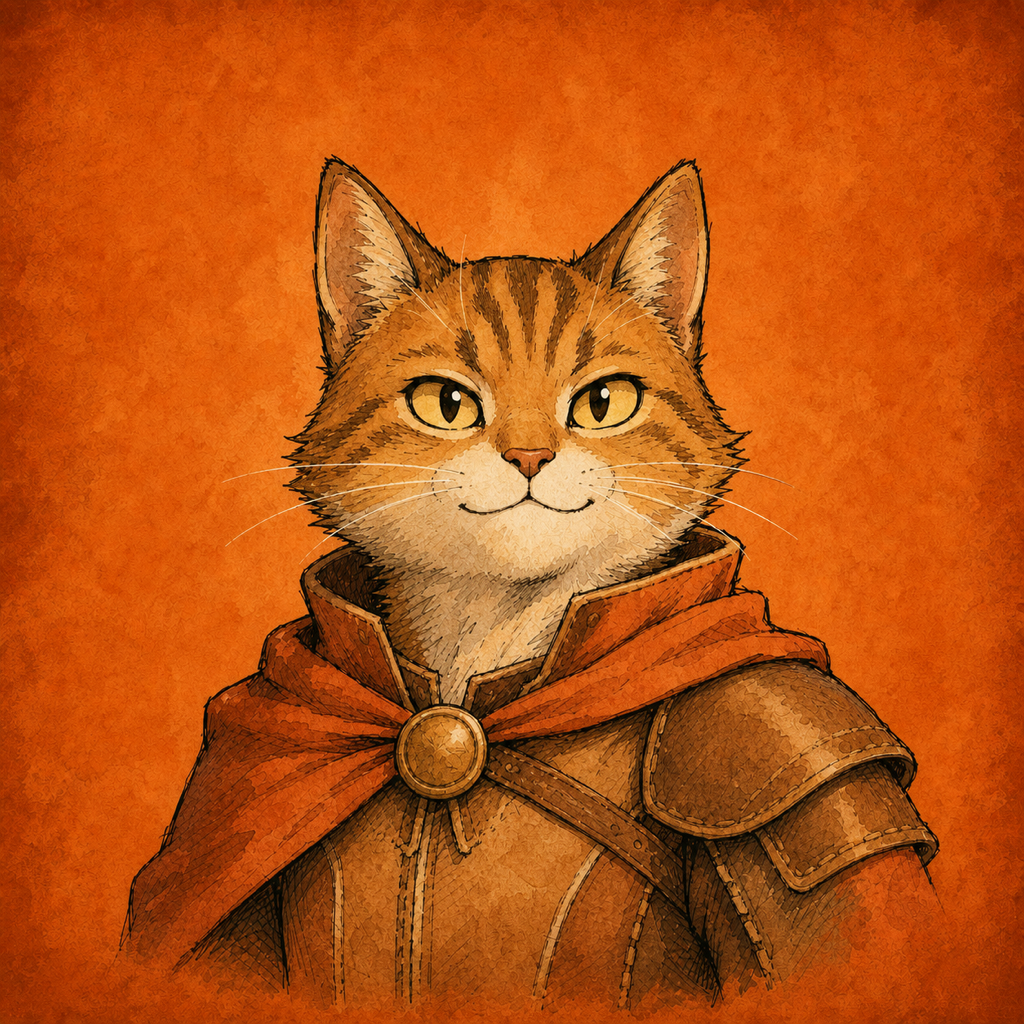
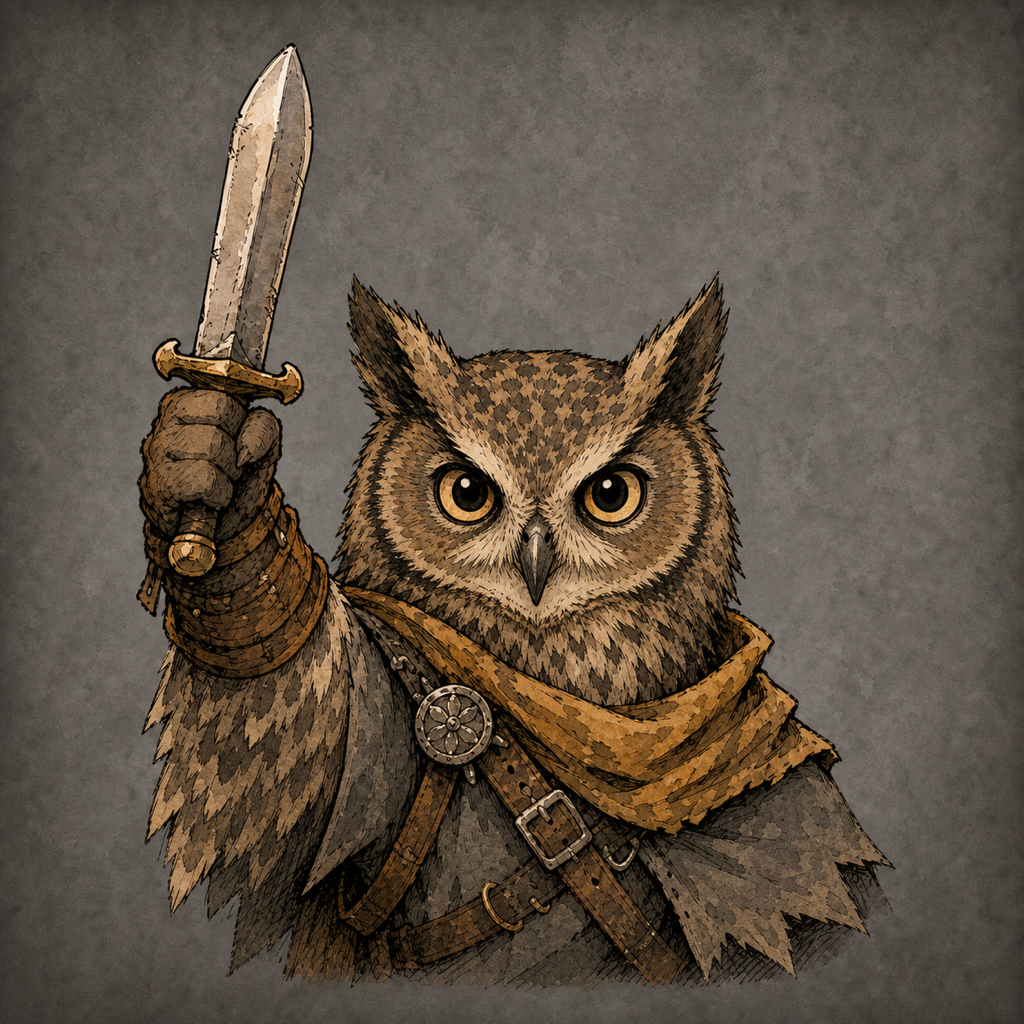
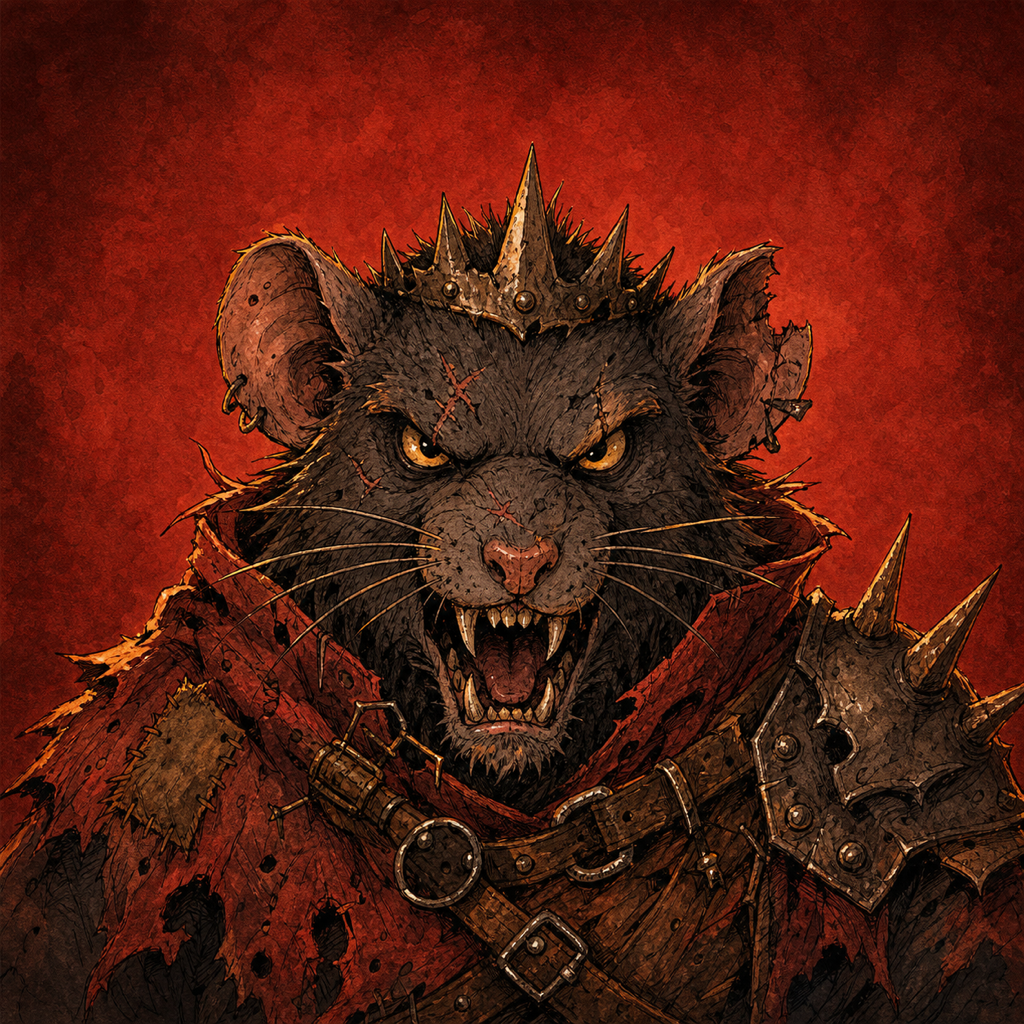
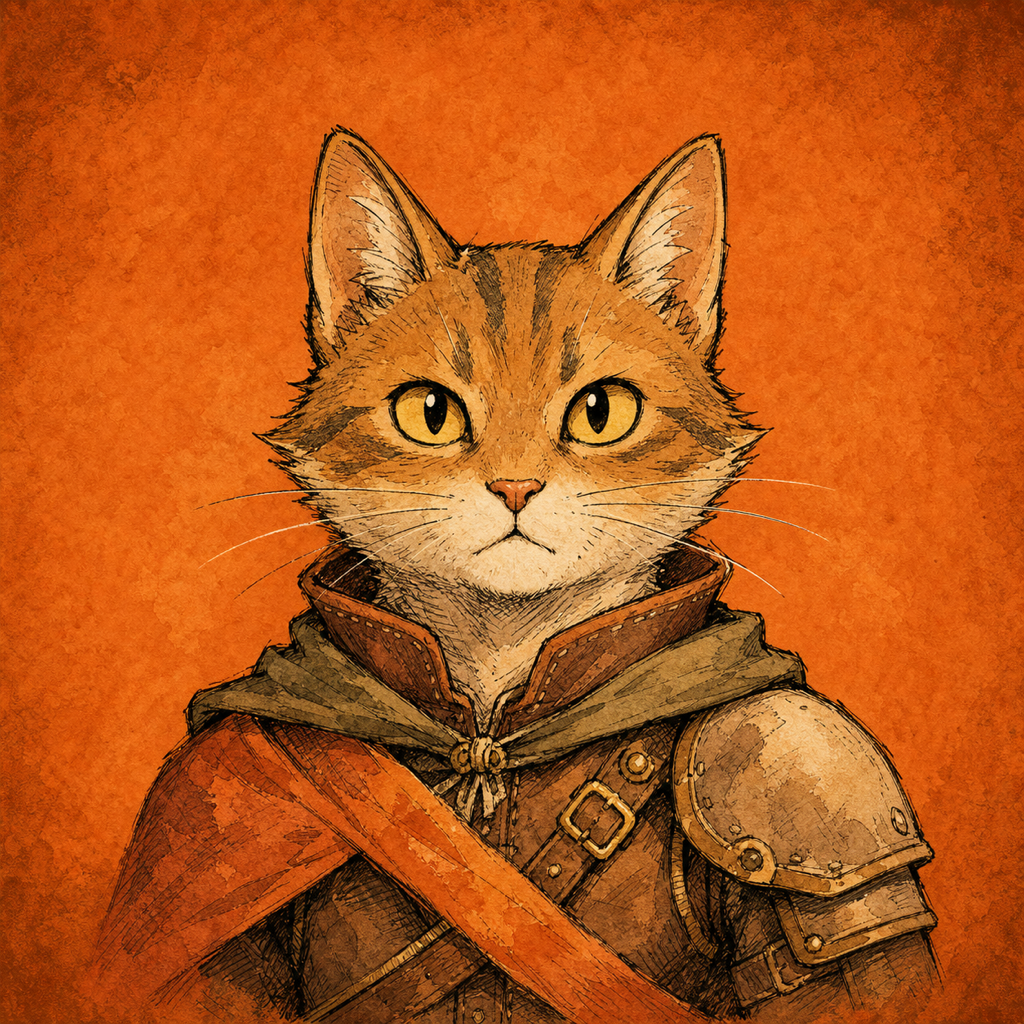
Root is a woodland war game where every player sits down with a completely different set of rules, pieces, and goals. The base box pits the industrial Marquise de Cat, the feudal Eyrie Dynasties, the rebel Woodland Alliance, and the roving Vagabond against each other — and its expansions add six more (the Lizard Cult, Riverfolk Company, Underground Duchy, Corvid Conspiracy, Lord of the Hundreds, and Keepers in Iron), for ten factions in all — every one listed below with its Reach.

You all share the same map and the same deck of cards, but the way you score points, take actions, and interact with the board is unique to your faction. No two games feel the same because the factions create wildly different power dynamics every time.

Setup

Lay out the map. Place the Woodland map in the center of the table. The base game uses the Fall map; expansions add the Winter, Lake, and Mountain maps. Each clearing has a suit (mouse, rabbit, or fox), open building slots, and is joined to others by paths.

Then work through the Standard Setup:

  1. Assign factions & first player. Each player takes a faction board and the pieces shown on its back; pick the starting player and seating randomly. Choose factions whose Reach values total at least the amount for your player count (2p: 17+, 3p: 18+, 4p: 21+, 5p: 25+, 6p: 28+), and set up from highest Reach to lowest.
  2. Place score markers on “0” on the score track.
  3. Draw starting hands. Shuffle the shared deck; each player draws 3 cards. In a 2-player game, first remove all four dominance cards from the deck.
  4. Place ruins. Put a ruin in each of the four slots marked “R” (four total). Ruins fill those building slots. If a Vagabond is playing, slip one item under each ruin — the four ruin items (a boot, a bag, a hammer, and a sword), shuffled face-down — for the Vagabond to dig out by exploring. Without a Vagabond, the ruins stay empty and just block their slots.
  5. Form the item supply. Stock the spaces near the top of the map with the craftable items: 2 boots, 2 bags, 1 crossbow, 1 hammer, 2 swords, 2 tea sets, and 2 coins. You gain these by crafting matching cards.
  6. Gather shared pieces. Hand out the 16 faction overview cards and place the two dice by the map.

  7. Set up each faction, in order. Every faction sets up very differently from its own board: the Marquise places her Keep, a starting sawmill, workshop, and recruiter, then garrisons most clearings; the Eyrie place a roost, six warriors, a leader, and their starting Decree; the Woodland Alliance begins with no pieces on the map — just supporters in hand. Read your faction's setup carefully.

Once every faction is set up, the first player begins.

How to play

Play proceeds clockwise. Each faction takes a full turn before the next player goes. Most factions structure their turn around three phases — Birdsong, Daylight, and Evening — though what happens in each phase is entirely faction-specific.

Common actions across factions include:

  • Move warriors between adjacent clearings
  • Battle in a clearing where you have warriors
  • Build structures in clearings you rule
  • Craft cards from your hand for one-time or persistent effects

Clearings are the key spaces on the map. A faction rules a clearing if it has more combined pieces there than any other single faction. Cards come in four suits — fox, rabbit, mouse, and bird — and are used for crafting, activating special abilities, or fuelling faction-specific mechanics.

How to win

The first player to reach 30 victory points wins immediately, even mid-turn. Every faction has its own engine for generating points: the Marquise scores by building structures, the Eyrie scores based on the size of its Decree, the Alliance scores by spreading sympathy tokens, and Vagabonds score through quests and relationships.

As an alternative to the point race, dominance cards let a faction switch to a different win condition entirely — usually requiring control of multiple clearings of a specific suit at the end of your turn. Dominance is a dramatic pivot that the table usually responds to immediately.

Factions

Hirelings

Optional helper pieces — add exactly three to any game. They serve whoever is in the lead and switch sides as the game shifts. Grouped by the pack they come in.

Marauder Hirelings

  • Forest Patrol Cat (Marquise de Cat)

    Deploys Marquise cats that keep moving and battling across the map, and can quickly bring fallen soldiers back into play.

    Demoted · Feline Physicians: Instead lets its controller heal, returning some removed warriors.

  • Last Dynasty Eagle (Eyrie Dynasties)

    Sends out the last Eyrie regiment — bird warriors that spread out and help their patron rule clearings.

    Demoted · Bluebird Nobles: Instead grants its controller a small edge toward ruling and scoring.

  • Spring Uprising Rabbit (Woodland Alliance)

    Stirs Alliance rebels across the forest, ready to erupt in a sudden uprising that sweeps a clearing.

    Demoted · Rabbit Scouts: Grants Guerrilla Warfare — as defender you take the higher die roll.

  • The Exile Raccoon (Vagabond)

    A lone Vagabond mercenary pawn that prowls the forest, battling and taking what it needs.

    Demoted · The Brigand: A weaker, more passive raiding presence.

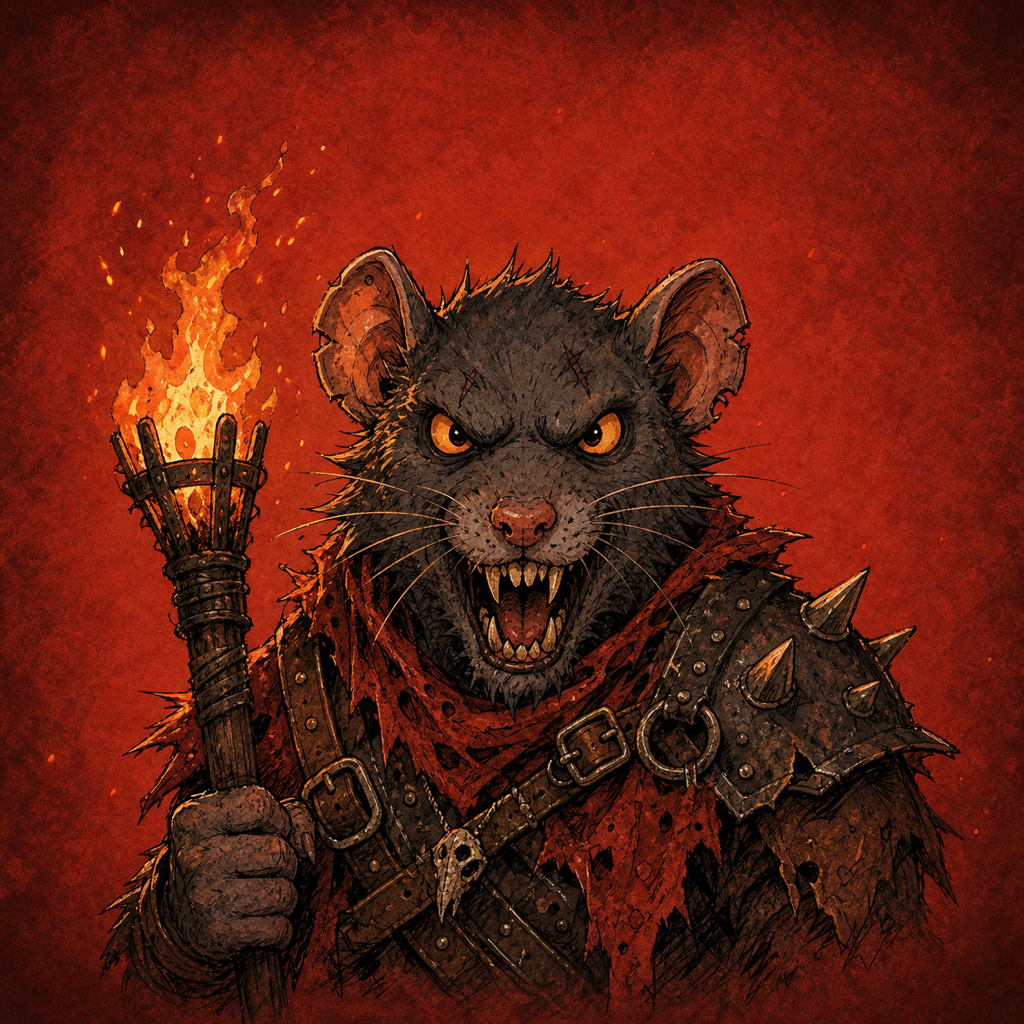
  • Flame Bearers Rat (Lord of the Hundreds)

    Places flame bearers around the map that force warriors out of the clearings they occupy.

    Demoted · Rat Smugglers: Instead grants its controller a smuggling perk.

  • Vault Keepers Badger (Keepers in Iron)

    Builds vaults guarded by keeper warriors that can be reinforced over the game.

    Demoted · Badger Bodyguards: Lets its controller ignore the first hit taken in a battle.

  • Popular Band Fox / woodland (independent)

    A roving band that spreads support: when you recruit, place a warrior in each of two connected clearings.

    Demoted · Street Band: A smaller, passive version of the perk.

Riverfolk Hirelings

  • Highway Bandits Porcupine (independent)

    Posts bandits on the forest paths; players lose pieces moving through them (you gain instead if you control them).

    Demoted · Bandit Gangs: Adds warriors wherever bandits sit on the map.

  • Warm Sun Prophets Lizard (Lizard Cult)

    Places lizard prophets that can force enemy movement and provoke battles.

    Demoted · Lizard Envoys: A quieter, passive influence.

  • Riverfolk Flotilla Otter (Riverfolk Company)

    A trade boat that drifts down the river handing out cards and attacking its patron's enemies.

    Demoted · Otter Divers: Lets its controller move freely to and from river clearings.

Underworld Hirelings

  • Corvid Spies Crow (Corvid Conspiracy)

    Slips spies into clearings to battle or steal cards from enemies' hands.

    Demoted · Raven Sentries: Deals an extra hit in clearings where you have buildings or tokens.

  • Sunward Expedition Mole (Underground Duchy)

    Marches mole warriors into clearings — even those without footholds — to battle.

    Demoted · Mole Artisans: Instead grants its controller a passive crafting perk.

  • Furious Protector Stag (independent)

    An unstoppable guardian that can't be battled, rampaging to remove pieces and block spawning where it stands.

    Demoted · Stoic Protector: Instead makes your own pieces immune — enemies can't battle or remove them.

Homeland Hirelings

  • Sunny Advocates Boar (Homeland)

    Choose a suit; in each matching clearing holding Advocates, replace one enemy warrior with your own, then spread Advocate warriors into new clearings.

    Demoted: Demoted side: if no Advocates are on the map, place one Advocate warrior in any clearing.

  • River Roamers Frog (Homeland)

    Frogs that craft using lilypads and battle at each lilypad — or drop two Roamer warriors and a lilypad into a river clearing.

    Demoted · Frog Tinkers: Draw the top card and let you spend it as a wild crafting suit.

  • Prosperous Farmers Mouse (Homeland)

    If you rule farms, draw a card and add a farm; then battle at a farm or place a warrior at every farm.

    Demoted · Struggling Farmers: Farms can't be removed for points, and stray farms relocate to clearings you rule.