

Tabletop Companion
en
Vagabond (Tinker) badge

Vagabond (Tinker)

Scavenge the discards, craft your way to victory, and let everyone else do the fighting.

Easy
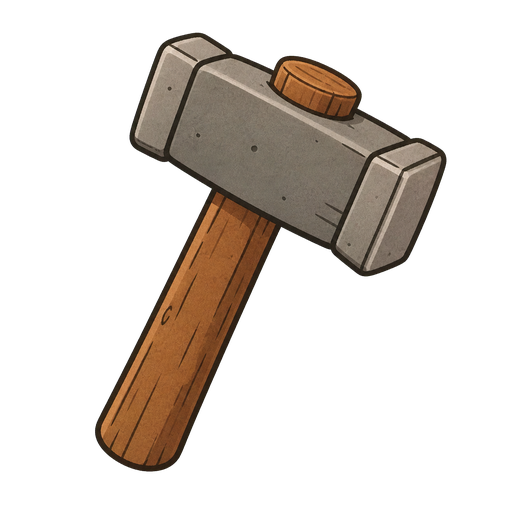
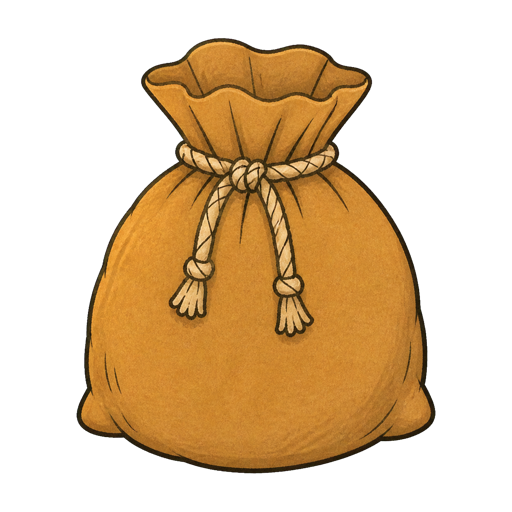
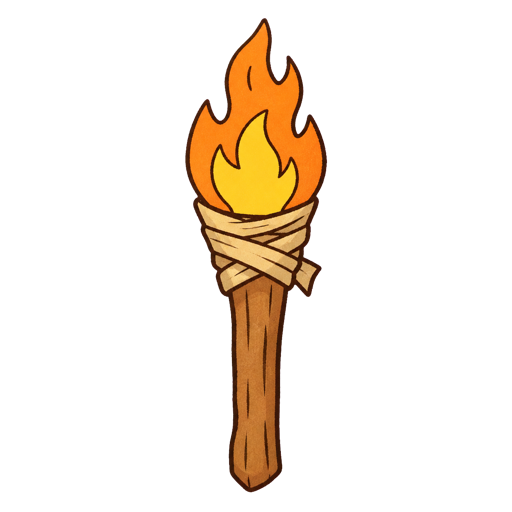
Starting items Torch Boot Hammer Bag

Background

The Vagabond is unlike any other faction on the board. You have no territory, no buildings, and no warriors — just a single wandering figure picking through the forest for useful items and forging quiet alliances with whoever is winning. Where others fight over clearings, you slip between the battles and collect the spoils.

The Tinker is the most resourceful variant of this wandering life. Where a disruptor raids and vanishes, the Tinker builds — or rather, scavenges and constructs. Your signature skill is Day Labor: once per turn you may pull a card from the shared discard pile matching the suit of your current clearing. In a game where cards are currency, that recurring advantage compounds fast.

You begin with an item kit slanted toward crafting, which makes you the Vagabond most capable of hammering raw cards into items and victory points from the very first turns.

How you win

You have three steady engines running in parallel, and the Tinker is unusually good at all three.

  • Quests — reveal a quest in a clearing matching its suit, exhaust the two listed items, and score VP (or draw cards if you prefer the hand size). Stack these whenever your item stock allows.
  • Aid and relationships — hand a card matching a faction's clearing suit to give them Aid. Each Aid raises your relationship with that faction. Higher tiers score VP as you reach them, and reaching Allied status unlocks powerful joint actions.
  • Battle — removing enemy buildings and tokens in combat scores VP directly. You won't win a war, but a well-timed skirmish against a weakened position pays off.

The Tinker's path to 30 typically runs through crafting items for VP and quests, padded by steady relationship gains. Don't fixate on one route — let the board tell you which engine is running hot.

How they play

Your whole turn runs on items. Items exhaust when spent on actions — moving costs a boot, battling costs a sword, crafting costs the symbols shown on the card — and take damage when you absorb hits in battle. A damaged item is out of service until you repair it.

Each turn in Daylight you choose from a menu of actions: Move (exhaust a boot), Aid (give a card, advance a relationship), Quest (exhaust two items to complete a posted quest), Battle (exhaust a sword), Explore a ruin (draw the hidden item inside), and Craft (exhaust matching item symbols to play a card for its effect or immediate VP). The Tinker's Day Labor happens in Birdsong — before anything else, you may take one card from the discard pile whose suit matches the clearing you're standing in.

Managing relationships is as important as managing your item rack. Hostile factions can attack you unprovoked and may slow your movement or force extra costs. Keep your standing warm with whoever is militarily dominant so you can wander freely.

Strengths

  • Day Labor gives you a free card from the discard every single turn, as long as you position yourself in the right suit clearing. Over a full game this snowballs into a significant hand-size advantage no other faction can match.

  • The Tinker's starting items are weighted toward crafting symbols, letting you fire off crafted cards early and often. Crafting both unlocks powerful persistent effects and converts spare cards directly into victory points.

  • Because you hold no territory, you have nothing to defend — you can wander toward whoever is fighting and pick up VP from battle or quest, then slip away before becoming a target yourself.

Weaknesses

  • !

    You are one figure in one clearing. Every action you take requires physically being there, which means every opportunity in a different clearing is an opportunity you're missing — there is no multitasking.

  • !

    A rack full of damaged or exhausted items can leave you with almost nothing to do on your turn. The Tinker is only as powerful as the items currently available to spend, so a bad combat round can stall your entire engine.

  • !

    Letting a powerful faction go hostile is costly — they can attack you without provocation, and moving or acting near their pieces may carry extra friction. Ignoring your diplomatic standing can box you out of large sections of the map.

Tips & tricks

  • Tip

    Before you end your turn, check which suits are richest in the discard and plan your next clearing accordingly. A single extra card per turn sounds small, but prioritizing Day Labor every round is the difference between a slow Tinker and a dominant one.

  • Tip

    Ruins hold items that don't exist anywhere else in the supply. Hit them in the opening turns before your item needs grow — every item you pull from a ruin is one more action you can take each subsequent turn.

  • Tip

    When choosing what to craft, prioritize cards that produce new items over one-time bonuses. More items mean more actions, and more actions compound faster than any single-use card effect.

  • Tip

    Start handing out Aid in the early game so your relationship tracks have time to mature. Reaching Allied status with one or two factions before the midgame gives you joint combat muscle and locks in the VP from climbing those tiers.