
Tabletop Companion
en
Vagabond (Ranger) badge

Vagabond (Ranger)

Stalk the forest's edge, hit hard and then vanish into the trees to recover — then do it all again.

Easy
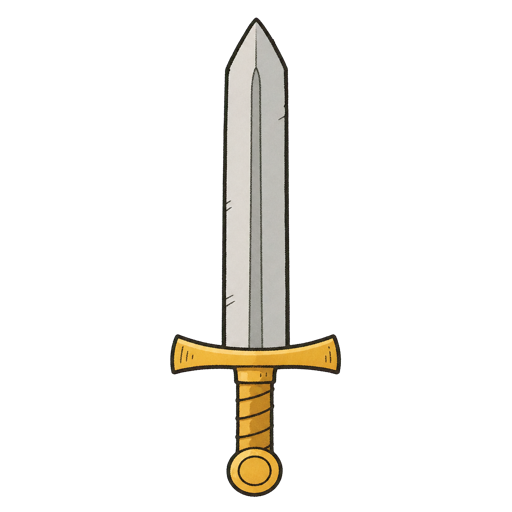
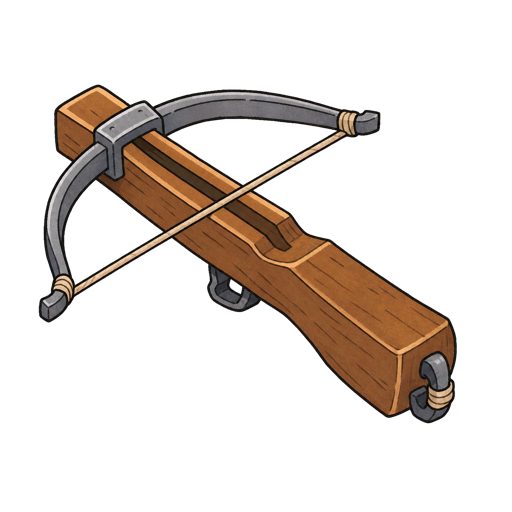
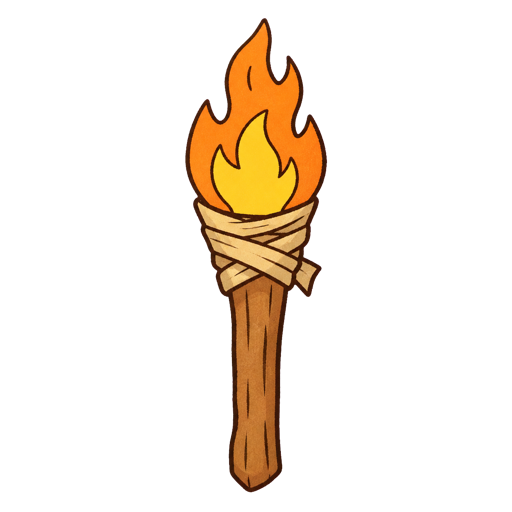
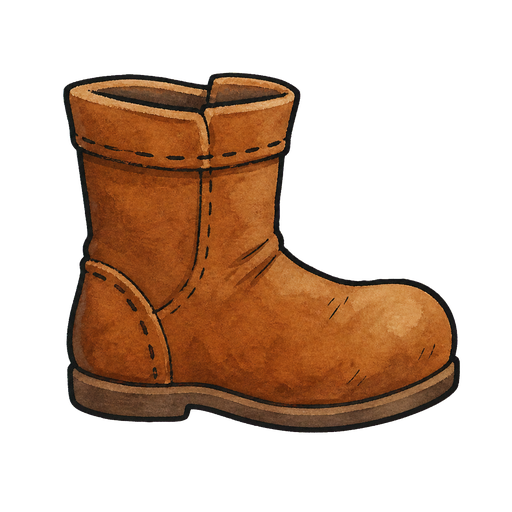
Starting items Torch Boot Sword Crossbow

Background

The Vagabond is unlike any other faction on the board. You hold no clearings, field no army, and answer to no lord. You are one figure moving through a forest being torn apart by bigger powers, collecting items and weaving alliances wherever it suits you.

The Ranger is the most combat-ready and self-sufficient variant of this wandering life. Where the Thief steals and the Tinker crafts, the Ranger endures. Your starting kit — Torch, Boot, Sword, and Crossbow — is built for aggression: you can fight your way into contested territory, strike surgically without committing to a full battle, and explore the wilderness all from day one.

Your signature move is Hideout: once per turn during Daylight, you may repair three damaged items at once, then immediately close the phase. That single ability reframes the whole game for you. Where other Vagabonds dread a bad battle, you treat it as a temporary setback — hit the factions hard, absorb their counterattack, then hole up and emerge next turn at full strength.
How you win

Your scoring channels are the same as every Vagabond's, but the Ranger's combat-forward kit tilts the board toward fighting:

  • Complete quests by reaching a matching clearing and exhausting the required items; each finished quest scores VP or draws cards.
  • Aid other factions by giving them a matching card while sharing a clearing; this advances your relationship with them and scores VP at each relationship tier you reach.
  • Remove enemy buildings and tokens in battle — the Vagabond scores VP for this directly, making every skirmish a VP opportunity other factions cannot match.

The Ranger's path to 30 usually runs hot through battle VP and quest completions, padded by steady Aid gains along the way. Hideout makes you a sustainable fighter: you can pick fights that would leave other Vagabonds item-depleted for turns, recover in a single action, and get back on the offensive immediately.

How they play

Your whole turn runs on items. Each action costs one or more items from your tracker: moving costs a Boot, fighting costs a Sword, exploring a ruin costs a Torch, precise strikes cost the Crossbow. When you take hits in battle, your items get damaged rather than your figure being removed — and a damaged item is dead weight until you repair it.

The Ranger's Daylight is built around controlled aggression. Your Strike action (Crossbow) lets you eliminate a single enemy warrior or building without rolling for a full battle, making you a precise threat that factions cannot ignore. Your Battle action (Sword) initiates full combat and scores VP for every building or token you remove. And when the fighting has cost you, Hideout lets you repair three items at once and end Daylight early — banking your position rather than grinding through a depleted rack.

Managing relationships is still vital, even for a fighter. Going Hostile with a powerful faction means they can attack you unprovoked and force extra Sword costs on every move through their territory. Pick your targets carefully: fight factions you can afford to antagonize, and keep aid flowing to factions you rely on for safe passage.

Strengths

  • Hideout means a brutal battle round is not the setback it would be for another Vagabond. You can absorb three damage's worth of punishment, use Hideout to repair them all, and close Daylight knowing your item rack is intact for the next turn.

  • The starting Crossbow gives you a precision removal tool from turn one. Striking a key building or warrior without full-battle risk lets you score VP or disrupt an opponent's position without rolling dice and risking a bad outcome.

  • Your opening item set — Torch, Boot, Sword, Crossbow — is the most combat-capable starting loadout of the base-game Vagabonds. You can explore, fight, and strike on your very first turns without waiting to pull items from ruins.

Weaknesses

  • !

    You are exactly one figure. Every quest, Aid, and battle opportunity in a clearing you're not standing in is a VP you're leaving behind. Your combat focus compounds this — fighting in one corner of the map means the rest of the board moves without you.

  • !

    Hideout ends Daylight the moment you use it. Repair three items and your turn is over — you cannot take even one more action afterward. Timing Hideout is a real decision, and using it too early in a turn leaves VP and board positioning on the table.

  • !

    The Ranger lacks the Thief's steal or the Tinker's Day Labor card advantage. Your hand grows only through the standard draw formula, which means you often have fewer cards to spend on Aid and crafting than your opponents expect.

Tips & tricks

  • Tip

    The most powerful Ranger pattern is to battle aggressively, take whatever damage comes, and then fire Hideout to repair everything at once before ending Daylight. You come out of that cycle with VP from the fight and a fresh item rack — something no other Vagabond can replicate.

  • Tip

    Try to squeeze every action you can out of Daylight before triggering Hideout. Move to a quest clearing, complete the quest, battle for VP, then Hideout. Ending Daylight is only painful if you had more to do — front-load your ambitions in the phase and let Hideout be the clean exit.

  • Tip

    Your Crossbow is your most distinctive starting asset. If it gets damaged and you have no Hammer, you lose the precision strike option until you can repair it — either via Hideout (which takes it out of combat use for the turn) or by finding a Hammer from a ruin. Avoiding unnecessary battles that put the Crossbow at risk is worth the restraint.

  • Tip

    Use your starting Sword for mobility through Hostile clearings as well as for battle. You can absorb the extra Sword cost for moving into a Hostile clearing, then use Hideout afterward to recover — a trade that other Vagabonds simply cannot afford but the Ranger handles routinely.