
Tabletop Companion
en
← Learn

Field guide

How to play Scythe

1–5 players (best at 3–4) Mid-to-heavy — asymmetric engine builder

What is Scythe?

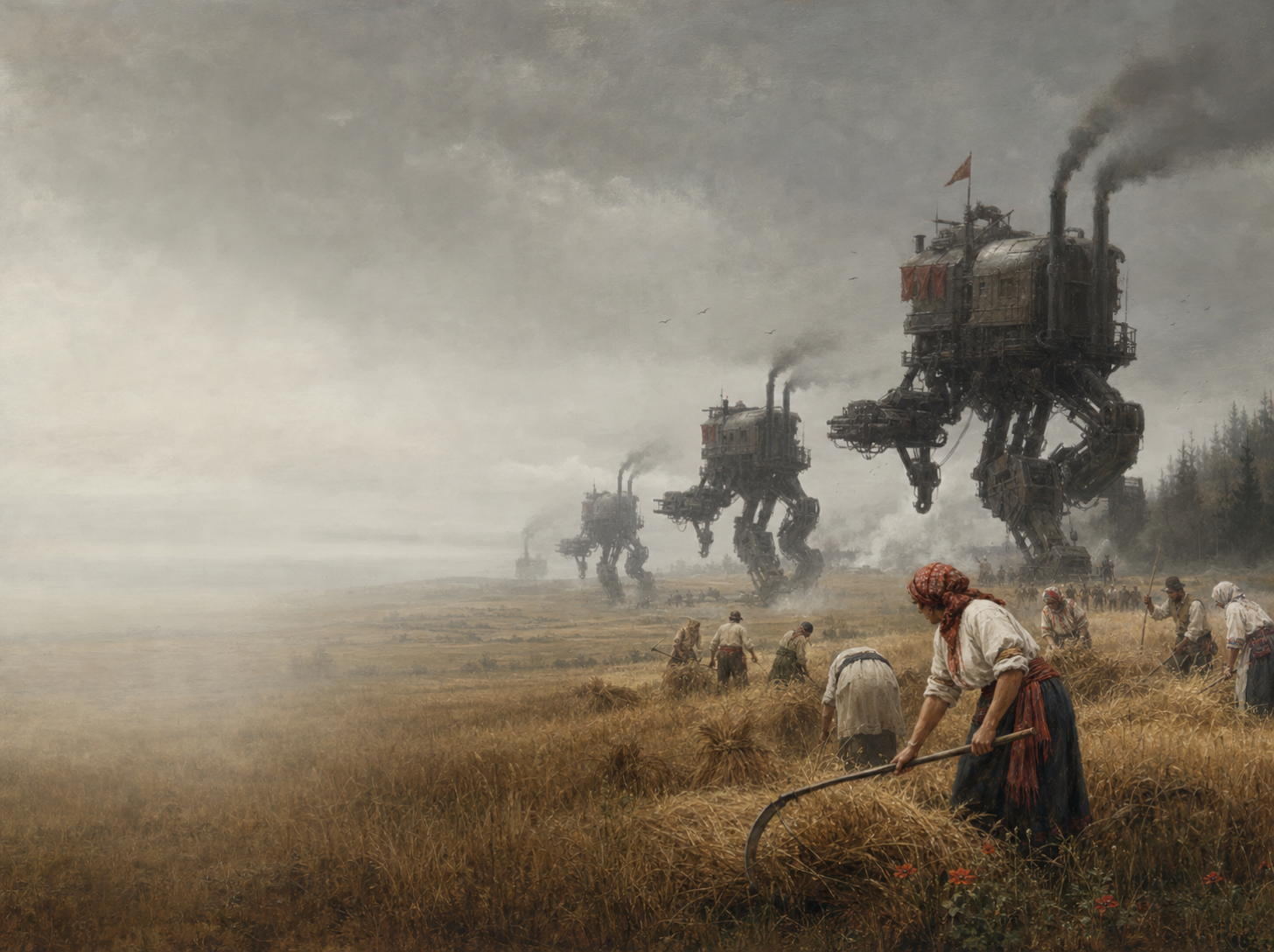
Scythe is an asymmetric engine-building game by Jamey Stegmaier set in an alternate-history 1920s Eastern Europe. Each player leads a unique faction, racing to build an economic engine — producing resources, recruiting workers, deploying hulking mechs, and expanding across a richly illustrated hex map — all while eyeing the same contested territories.

Turns are deceptively quick: you place your action token on one section of your personal player mat and resolve up to two actions. The tension comes from knowing you cannot return to that section next turn, so every choice shapes your next move as much as the current one. Powerful faction abilities and the looming threat of combat make each game feel distinct.

Setup

  1. Assign faction and player mat. Each player takes their faction board and player mat — the combination is random and asymmetric.
  2. Place starting units. Put your character and workers on your home base, and place your structures and mechs in their reserve spaces on your faction board.
  3. Distribute starting resources. Give each player the starting resources shown on their player mat.
  4. Lay out shared board components. Place the encounter tokens, factory cards, encounter deck, and structure bonus tile (drawn randomly) near the board, and put the score track in reach.
  5. Deal objective cards. Shuffle and deal each player two objective cards; they keep both but may only complete one.
  6. Set dials and prepare the combat deck. Place each player's power and popularity dials at their starting positions and set up the combat cards deck.
  7. Deal starting hands. Each player receives a hand of combat cards equal to what their player mat specifies, plus the coins shown.

How to play

On your turn, place your action token on any section of your player mat — except the section you used on your previous turn. Each section pairs a top-row action with a bottom-row action:

  • Top-row actions (usually free or cheap): Move units and/or gain coins; Trade coins for resources or popularity; Bolster power or gain combat cards; Produce resources on territories your workers occupy
  • Bottom-row actions (pay their printed cost to take them): Upgrade a top action; Deploy a mech; Build a structure; Enlist a recruit — each permanently improves your engine or unlocks bonuses

You may take the top action, the bottom action, both (top first), or skip either. Combat triggers whenever your units move onto an enemy-occupied territory: both sides secretly set power (0 up to their dial's limit) and optionally play a combat card; the higher total wins, and the loser retreats home. Encounters are resolved when your character steps on an encounter token — draw a card and choose one of its options for a unique reward.

Progress is tracked by placing stars on the achievement track. Stars are earned for a range of achievements — winning combat (up to twice), reaching maximum power or maximum popularity, completing an objective, and fully deploying your mechs, structures, recruits, or workers. The game ends the instant any player places their sixth star.

How to win

When a player places their sixth star, the game ends immediately. Everyone then converts territories, resources, and stars into coins — scaled by their current popularity tier (low, mid, or high). The three scoring categories are: coins per star placed, coins per territory controlled, and coins per two resources on your territories. Add any coins already collected during the game. The player with the most coins wins.

A strategic note: popularity is a multiplier on all three categories, so a high-popularity position can overcome a star or territory deficit at the end. However, rushing toward your sixth star too early can leave others time to score resources and territory. Watch the leader's star count — once it reaches five, the whole table shifts into end-game urgency.