Tabletop Companion
en
← Learn

Field guide

How to play Quest

4–10 players — about 30 minutes, no player elimination Light — a fast hidden-role social deduction game of quests, trust, and betrayal

What is Quest?

Quest is Don Eskridge's successor to The Resistance and Avalon — the same delicious game of hidden loyalties, stripped down and sharpened. Everyone is secretly dealt a character on the side of Good or on the side of Evil: the Minions of Mordred know each other (with a few printed exceptions), while Good knows nothing and must reason its way to the truth. Round after round, a Leader sends a team on a quest — and if even one Evil player slips onto the team, the quest can fail.

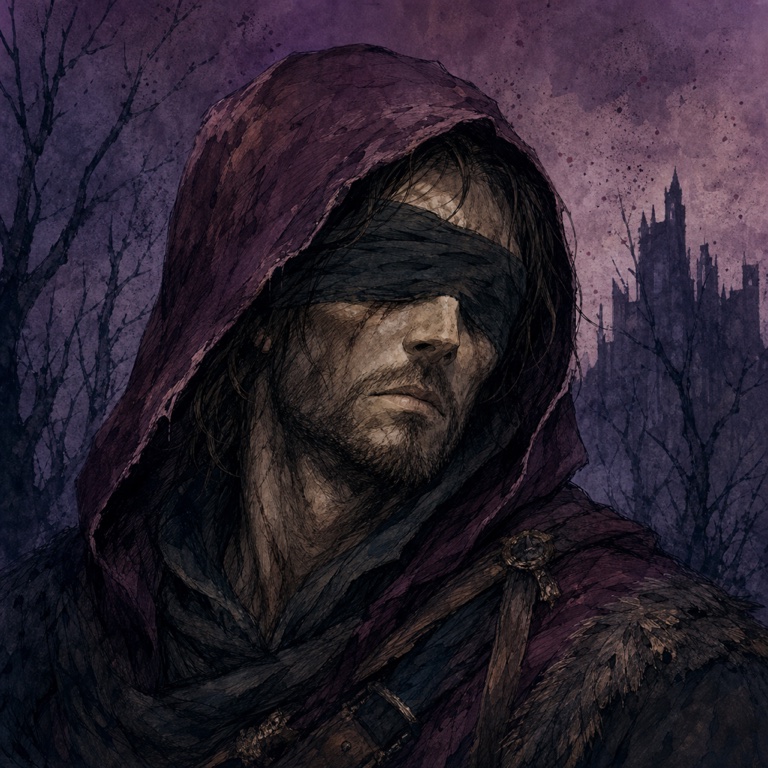
What makes Quest different is its pace. The endless team votes of its predecessors are gone: the Leader simply picks the team, then hands the crown to whoever they choose next, and each player leads only once per game. Special characters — the loyalty-checking Cleric, the magic-proof Morgan le Fay, the sinister Blind Hunter — twist every reading of the table, and even a lost game isn't lost: fail three quests and Good gets one last, all-or-nothing chance to unmask Evil completely.

Never played hidden roles before? Nothing here is hidden from you except who is who. You always know the rules, the team sizes, and the results; the only unknown is people. Lying is expected and completely fair play — the good players are trying to build a picture of the table from behavior, and the evil ones are trying to paint a convincing false one.
Components

What's in the box, and what each piece does at the table:

  • 26 character cards — the roster you build each game's cast from: Loyal Servants of Arthur and Minions of Mordred, plus the special characters (Cleric, Morgan le Fay, Blind Hunter, Duke, Archduke and more) whose printed abilities are the real texture of the game. Swapping characters between games changes the whole logic of the table.
  • 26 matching character tokens — the physical shorthand for who's in play. Laid out face up, they tell everyone which abilities exist this game — you just don't know who holds them.
  • 4 double-sided score tableaus — the quest track for your player count: how many Evil players are in the game, each quest's team size, which quests need two Fails to fail, and when the Magic amulet appears. The reverse sides are the harder Director's Cut setups.
  • 20 quest cards — the Success and Fail cards each team member secretly plays. Good must play Success; Evil chooses.
  • 2 loyalty cards — the plain "Good" / "Evil" backing used during the night reveal so allies can identify each other.
  • 1 leader token (the crown) — marks who picks the current team. It's the game's only real power, and each player holds it at most once.
  • 1 magic token + 3 amulet tokens + 3 faded amulet tokens — the Leader binds a teammate with the amulet, forcing them to play Success; faded amulets mark ones already used. It's a tool for squeezing information out of a suspect — and Morgan le Fay's greatest opportunity.
  • 5 team tokens + 5 score markers + 10 player aids — mark who's on the quest, track the score, and remind every player of the turn sequence.

Setup

  1. Pick the board side for your player count. Each board lists everything that scales: how many Minions of Mordred are in play (for example 2 Evil at 4 players, 3 at 8, 4 at 10), each quest's team size, which quests need two Fails to fail, and where the Magic amulet comes into play. Read the track out loud before dealing — knowing that quest 4 needs two Fails changes how everyone plays quests 1 through 3. The reverse side is the harder Director's Cut setup with extra Evil — save it for experienced tables.
  2. Build the character deck from the setup card for your player count and deal one card to each player, face down. Every game includes the Cleric, Morgan le Fay, and the Blind Hunter; the rest fill out with Loyal Servants, Minions, and special characters. Lay the matching character tokens face up so everyone knows which powers are in this game — a public cast list with secret casting.
  3. Run the reveal ritual. Everyone closes their eyes, and the Evil players open theirs to recognize each other — special characters' cards note any exceptions to who sees whom. Take the ritual slowly and keep everyone's head down; half the game's information leaks through a badly-run reveal.
  4. Give each player their Success and Fail quest cards.
  5. Crown the first Leader at random. The Cleric pays close attention here: their gift concerns the loyalty of the game's first Leader.

How to play

The game lasts up to five quests, and each is one brisk round with no election in sight.

The Leader picks the team. Whoever holds the crown chooses exactly the players the board calls for — including themselves if they wish. No vote, no veto: the table can argue, plead, and accuse, but the choice is the Leader's alone. On the quests marked on the board, the Leader also places the Magic amulet on a teammate: that player is magically bound to play Success. Only Morgan le Fay can secretly shrug the magic off and play what she pleases.

The team resolves the quest. Each member secretly plays a Success or Fail card; Good characters must play Success, while Evil may choose either. Shuffle and reveal: a single Fail sinks the quest — except on the board spaces marked "Two Fails required", where one Fail is quietly absorbed. Mark the result on the quest track and study who was on that team.

The crown moves on. The Leader hands the crown to any player who hasn't led yet — each player leads at most once per game. Choosing a successor is itself a confession: Evil Leaders build chains of trusted-looking conspirators, and Good Leaders must read those chains.

With no votes to hide behind, all the information in Quest lives in three places: who a Leader picked, what the quest revealed, and who they crowned next.

A quest, played out. Five players; quest 2 needs a team of three. Ana leads and picks herself, Beto, and Carla, and puts the amulet on Beto — she suspects him, and the amulet forces his hand. The reveal: two Successes and one Fail. That single card is enormous. Beto was bound and Ana knows her own card, so the Fail is Carla's — unless Beto is Morgan le Fay, who ignores the amulet. The table now argues about exactly that one question, and Ana crowns Diego, a player she has no read on, precisely to generate new evidence. That's the shape of every good round: create a situation where the result narrows the suspect list no matter how it comes out.

How to win

Good wins the moment three quests succeed. Evil wins by stealth, not by points: their true goal is to fail three quests without being identified — because the third failed quest doesn't end the game. It triggers Good's Last Chance: the Good players confer and, together, must point out every single Evil player. Unmask the entire conspiracy and Good snatches victory from the ashes; miss even one and Evil's win stands. A few characters bend this final scene — the Duke and Archduke have printed abilities that only wake up during the Last Chance, and the Blind Hunter can flip the script entirely by launching the Hunt, where Evil tries to pick out Good's key characters for an immediate win.

So play every round on two levels. Good: treat each Leader's team pick and each crowning as testimony, protect the Cleric's information, and enter the endgame with a working map of the table. Evil: fail quests only as fast as you can afford to be suspected — in Quest, winning quietly is the only way to win at all.

Two habits that make new players good fast. First, say your reasoning out loud, always — silence reads as guilt and gives the table nothing to work with, while a wrong theory stated openly still generates evidence when it's disproved. Second, remember that Evil rarely wants to Fail early: an Evil player who plays Success on quest 1 buys the trust that lets them onto the team that matters. A quest that succeeds tells you much less than it feels like it does.

Characters